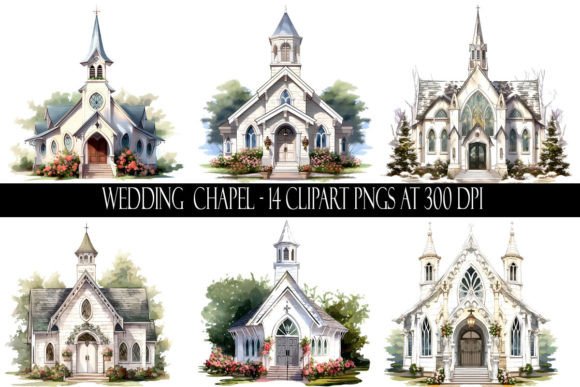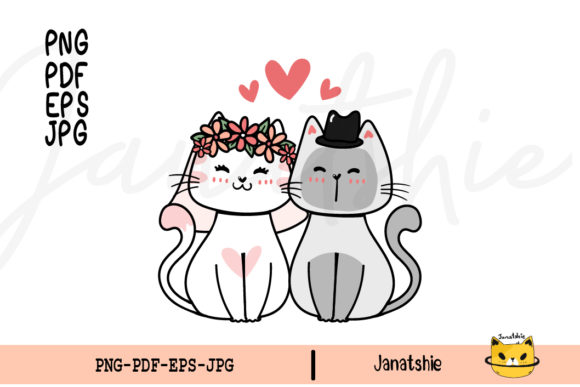
Wedding Bride Groom Clipart: Your Creative Toolkit
Planning a wedding, whether for yourself, a client, or as part of a product line, is an exercise in managing a thousand tiny, beautiful details. The invitation sets the tone, the website gathers the guests, and the thank-you cards leave a final impression. But what if you could have a cohesive, elegant visual element to tie all these pieces together, from the first save-the-date to the last favor tag? That’s where a versatile set of digital assets, like high-quality bride and groom illustrations, becomes an indispensable part of your creative toolkit. It’s less about a single image and more about having a consistent visual language at your fingertips.
The Allure of Cohesive Wedding Graphics
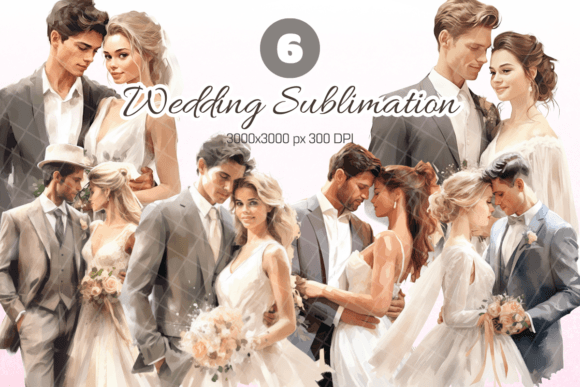
There’s a distinct charm to well-crafted wedding clipart. We’re not talking about stiff, cartoonish figures from the early internet. Modern premium clipart, especially in PNG format with transparent backgrounds, offers sophistication and flexibility. Imagine delicate line art of a bride in a flowing gown and a groom in a classic suit, or perhaps stylized silhouettes with modern flair. The visual appeal lies in their clean lines, balanced composition, and ability to convey romance and celebration without overwhelming other design elements. This kind of creative font companion—really a design asset library—provides a professional polish that elevates everything it touches.
For a small business owner creating wedding stationery, this consistency is gold. Using the same illustrated couple across your invitation suite, RSVP card, menu, and program creates an instantly recognizable brand for that specific event. It tells a story visually. For a blogger or content creator, these graphics offer a way to add unique, on-brand imagery to posts about wedding planning, anniversary ideas, or romantic lifestyle content without relying on stock photos that everyone else uses.
Practical Applications Beyond the Invitation
The true value of a resource like this is unlocked when you think beyond the obvious. Yes, it’s perfect for scrapbooking and cardmaking, but its utility extends far into professional and commercial realms.
- Branding & Logo Design: A wedding planning service, a bridal boutique, or a couple’s retreat could use a stylized version of these illustrations as a secondary logo mark or a favicon, reinforcing their niche with elegant, modern typography.
- Packaging & Merchandise: Think of gift boxes for bridesmaids, favor packaging, or even the hardcover of a wedding photo book. A subtle, repeating pattern made from these graphics can add a high-end, custom feel. For print-on-demand businesses, this opens up designs for tote bags, mugs, and apparel for bachelorette parties or bridal showers.
- Digital Presence: Social media graphics are a must. Use the clipart to create a consistent Instagram story template for wedding countdowns, a Facebook banner for a newly launched wedding blog, or Pinterest pins that stand out in a crowded feed. On a website, they can frame testimonials, accentuate pricing tables for wedding packages, or illustrate a blog post about choosing wedding attire.
- Editorial & Marketing Assets: Magazines, blogs, and email newsletters covering weddings can use these images to break up text, highlight key sections, or create visually appealing infographics about wedding trends or timelines.
The high-resolution (300dpi) and large size (3000x3000px) are critical here. They ensure your designs look crisp and professional whether printed on a tiny place card or blown up as a poster-sized wall decal for a reception venue. This scalability is a hallmark of a professional design asset.
Integrating Graphics with Your Overall Design Strategy
Having beautiful graphics is one thing; using them effectively is another. The key is to treat these illustrations as part of a larger system, much like you would with a premium font family. They should complement, not compete with, your typography and color palette.
For instance, if you’re using a delicate script font for headlines, pair it with a clean sans-serif font for body text to ensure readability. Your wedding clipart should follow the same principle of balance. If the illustrations are highly detailed, keep the surrounding design minimal. If they’re simple silhouettes, they can anchor a busier layout. Always consider the font pairing in relation to the graphic’s style—a modern, minimalist groom and bride illustration pairs better with a geometric sans-serif than with an ornate, vintage serif font.
This approach significantly improves visual consistency and brand recognition. When a client or a guest sees that familiar, elegant couple motif on a wedding website and then again on the table numbers at the event, it creates a seamless, thoughtful experience. It demonstrates a level of care and professional presentation that people notice and appreciate, ultimately boosting audience engagement because the entire package feels curated and special.
Making Smart Choices for Your Projects
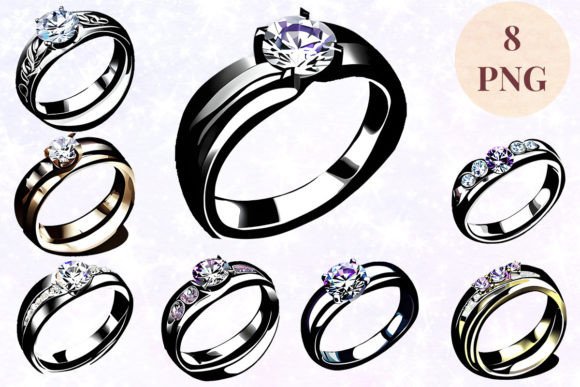
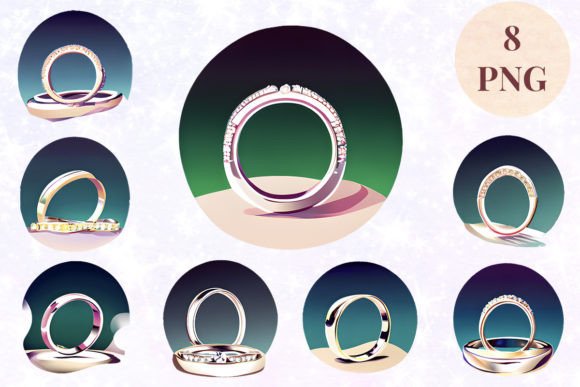
Before diving in, a little strategic thinking goes a long way. First, audit the style. Does the clipart’s aesthetic align with your project’s mood? A whimsical, hand-drawn style suits a rustic barn wedding but might clash with a black-tie ballroom affair. Look at the included variations—do you get different poses, orientations, or complementary elements like rings or bouquets? More versatility means more value.
Next, consider the commercial licensing. If you’re a designer creating assets for clients or a business owner selling products, you must ensure the license permits commercial use. This is a non-negotiable step to avoid legal headaches down the line. Reputable asset providers are clear about their licensing terms.
Finally, test thoroughly. Place the graphics into a mockup of your intended use. How does the transparency work against different background colors? Does the resolution hold up when printed? Does the style resonate with your target audience? Whether you’re a hobbyist creating a one-time keepsake or an entrepreneur building a product line, this due diligence ensures your final project is as polished and effective as you envision. The right visual element, chosen and applied with intention, doesn’t just decorate—it communicates, connects, and elevates.