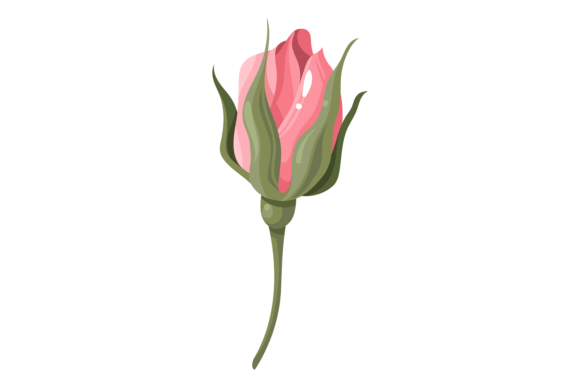
Pink Rose. Wedding Flower Bud. Floral El: A Designer's Guide to Elegant Branding
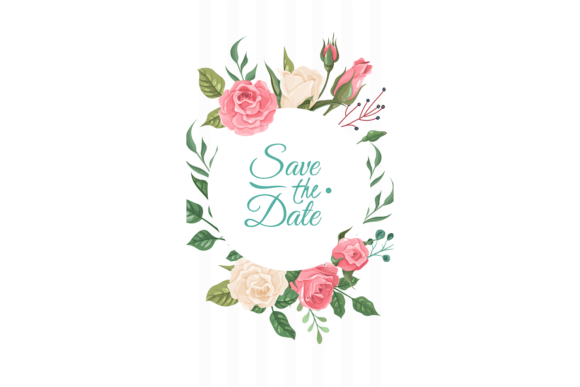
There’s a reason the pink rose remains an enduring symbol in design—it balances softness with sophistication, romance with professionalism. When you encounter a digital asset like the Pink Rose. Wedding Flower Bud. Floral El, you’re not just looking at a pretty flower; you’re holding a versatile tool that can transform how your audience perceives your brand or project. This isolated floral element, available in EPS and JPG formats, offers a clean, high-quality graphic that works seamlessly across both digital and print applications. Whether you’re crafting a wedding invitation, building a brand identity, or designing social media content, this asset brings a touch of natural elegance that feels both timeless and fresh.
Understanding the Visual Appeal of This Floral Element
What makes this particular pink rose illustration stand out is its balance of detail and simplicity. The floral element is rendered with enough realism to feel authentic, yet it’s stylized just enough to avoid looking overly complex or cluttered. This makes it incredibly adaptable—you can scale it up for a poster or shrink it down for a business card without losing clarity. The isolated white background is a practical choice, allowing you to drop the graphic into any design without worrying about awkward edges or color clashes. For designers, this means less time spent on edits and more time focusing on composition and messaging.
The soft pink tones carry psychological weight, too. Pink is often associated with warmth, compassion, and creativity, while the rose itself symbolizes love and appreciation. When incorporated into a brand or project, these subtle cues can influence how your audience feels about your work—without a single word being spoken. It’s a quiet form of visual communication that works beneath the surface.
Practical Applications for Designers and Entrepreneurs
Let’s talk about where this asset can actually make a difference in your workflow. If you’re a wedding planner or stationery designer, this floral element is a natural fit for invitations, save-the-dates, and ceremony programs. Its clean lines and transparent background make it easy to layer with script fonts or serif typefaces, creating a cohesive look that feels curated rather than generic.
For small business owners, especially those in the beauty, wellness, or lifestyle sectors, this pink rose can become a cornerstone of your brand identity. Imagine it as part of your logo, subtly placed on packaging, or used as a recurring motif on your website. It adds a layer of professionalism and intentionality that customers notice—even if they can’t articulate why they’re drawn to your brand. Consistency in visual elements like this builds recognition over time, which is crucial for standing out in crowded markets.
Content creators and marketers will find it equally useful for social media graphics and digital products. A single floral element can be used to create cohesive Instagram stories, Pinterest pins, or blog headers that tie your content together visually. It’s also a smart addition to digital planners, e-books, or online course materials, where a touch of visual interest can make dense information feel more approachable.
Integrating Floral Elements with Typography
One of the most common challenges in design is pairing imagery with typography. A floral element like this pink rose works best when it complements rather than competes with your chosen font. For wedding-related projects, consider pairing it with elegant script fonts or refined serif typefaces to reinforce the romantic aesthetic. If you’re using it for a more modern brand, a clean sans serif font can create an interesting contrast that feels both contemporary and organic.
When testing font pairings, pay attention to scale and spacing. A delicate floral illustration might get lost next to a bold, heavy typeface, while a detailed rose could overwhelm a very intricate handwritten font. The goal is balance—let each element breathe and serve its purpose without overshadowing the other. Always view your designs at multiple sizes to ensure readability isn’t compromised, especially when combining visual assets with text.
Licensing and Long-Term Use Considerations
Before incorporating any design asset into a commercial project, it’s wise to review the licensing terms. Many floral elements, including this one, are available for both personal and commercial use, but restrictions can vary. If you plan to use the pink rose in client work, merchandise, or products for sale, verify that the license covers those applications. This step prevents legal headaches down the road and ensures you can use the asset confidently across all your projects.
It’s also worth considering how a single asset can evolve with your brand. A well-chosen floral element can be used across seasons, campaigns, and product lines—adapting to different color palettes, layouts, and contexts without losing its core appeal. Think of it as a long-term investment in your visual toolkit rather than a one-time decoration.
Final Thoughts on Elevating Your Visual Projects
In a digital landscape saturated with generic stock imagery, thoughtful design assets like the Pink Rose. Wedding Flower Bud. Floral El offer a way to stand out with authenticity. It’s not about following trends—it’s about choosing visuals that align with your message and resonate with your audience. Whether you’re a freelance designer building a client’s brand, an entrepreneur crafting your own identity, or a hobbyist creating something beautiful for its own sake, this kind of intentional detail makes all the difference. Take the time to experiment, pair thoughtfully, and let the natural elegance of a well-rendered floral element do some of the heavy lifting for you.