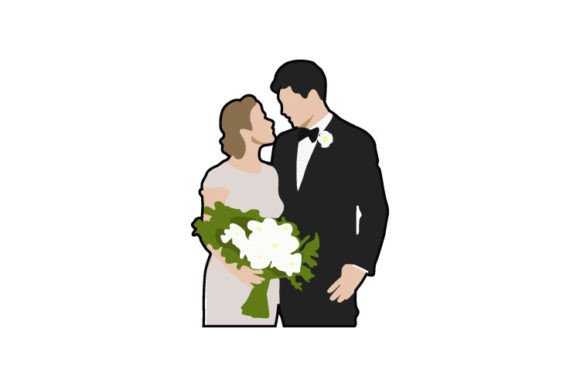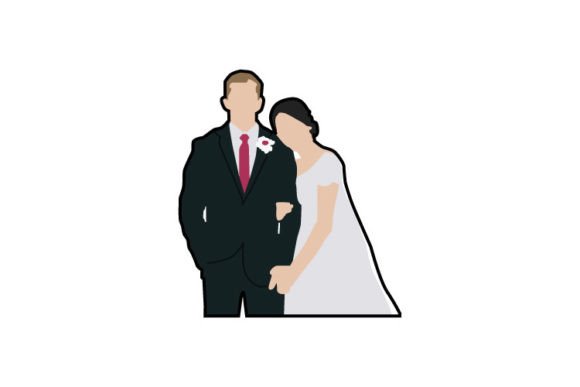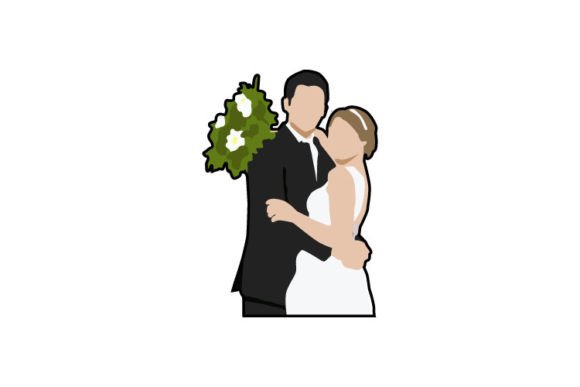
Capturing Romance: The Art of Couple Wedding Bride Drawing Design
There’s something undeniably powerful about a hand-drawn sketch of a bride and groom. It feels personal, timeless, and full of emotion—qualities that mass-produced graphics often struggle to convey. Whether you're designing a wedding invitation, crafting a brand for a boutique bridal shop, or creating heartfelt merchandise, the right illustration can transform a simple project into something truly memorable. That’s where a versatile drawing design asset comes into play, offering a blend of artistic charm and practical utility for a wide range of creative needs.
Why This Style Resonates Across So Many Projects
A drawing of a couple, especially one with a wedding or bridal theme, carries an inherent narrative. It suggests love, partnership, celebration, and new beginnings. This makes it an incredibly flexible element for designers and creators. Unlike a generic icon, a well-executed illustration tells a story at a glance. The lines might be delicate and refined, suggesting elegance, or more playful and loose, conveying joy and spontaneity. This visual personality is what makes it so effective for branding—it helps set a specific emotional tone before a single word is read.
Think about the applications. For a wedding planner’s logo, a graceful sketch of a bride and groom adds a touch of bespoke sophistication. On a social media graphic for a florist, it can highlight a "Valentine's Day Special" with romantic flair. For a blogger writing about relationships, it becomes a charming header image. The design's utility extends far beyond the wedding industry itself; it’s about capturing a universal moment of connection that appeals to anyone wanting to communicate themes of love and commitment in their work.
Practical Applications: From Screen to Print and Beyond
The real value of a design asset is measured by how seamlessly it integrates into your workflow and adapts to different mediums. A high-quality couple wedding bride drawing design is built for this flexibility. Let’s break down where it can make a real difference.
- Brand Identity & Logo Design: For businesses in the wedding, event, or lifestyle sectors, this illustration can form the cornerstone of a logo or be used as a recurring brand mark. It adds a human, artisanal touch that helps a brand stand out in a crowded market.
- Invitations & Stationery: This is a natural fit. The design can be used as a focal point for save-the-dates, wedding invitations, RSVP cards, and thank-you notes, creating a cohesive and elegant suite.
- Packaging & Merchandise: Imagine this drawing on a gift box for wedding favors, on tote bags for a bridal party, or on mugs sold in a boutique. It elevates product packaging from functional to desirable.
- Digital Presence: Use it for website banners, blog post featured images, email newsletter headers, or as a standout profile graphic. It adds visual interest and professionalism to your online platforms.
- Marketing & Advertising: From Facebook ads promoting a bridal expo to Instagram stories for a jewelry store, the illustration can grab attention and communicate a service’s essence quickly and beautifully.
- Editorial & Print Layouts: In magazines, brochures, or lookbooks, such a design can break up text, illustrate a concept, and add artistic value to the page layout.
Making It Work for Your Brand
Simply having a beautiful illustration isn’t enough. The key is using it in a way that strengthens your overall visual message. This is where strategic thinking comes in.
Consistency is Crucial. If you adopt this drawing style as part of your brand, use it consistently. Whether it’s the primary logo or a secondary element, its consistent application across your website, social media, and printed materials builds recognition. Your audience will start to associate that specific artistic style with your business.
Consider Color and Scale. A monochrome line drawing offers maximum versatility—it can be colored to match any brand palette. A design with built-in color can set a specific mood but may be less flexible. Also, think about how it looks at different sizes. Does the detail hold up when scaled down for a favicon? Does it command attention when blown up for a poster? A well-crafted vector file ensures it remains crisp at any dimension.
Pairing with Typography. This is where design gets really interesting. The style of the drawing should inform your font choices. A delicate, detailed sketch might pair beautifully with an elegant serif font or a flowing script. A more modern, minimalist line drawing could work well with a clean sans-serif. The goal is harmony, not competition. The illustration and the type should feel like they belong together, creating a unified visual voice.
Understanding Your Design Files
When you invest in a professional design asset, the included file formats are your toolkit for execution. Knowing what each file does allows you to use the design without limitations. A typical package for a couple wedding bride drawing design might include:
- Ai (Adobe Illustrator): The master, editable vector file. This is where you can customize colors, scale infinitely, and modify paths if needed. Essential for professional designers.
- Eps: Another versatile vector format, widely compatible with various design software beyond Adobe’s suite.
- Svg: A web-friendly vector format, perfect for responsive websites and digital applications where quality at any size is non-negotiable.
- Png: A raster image with a transparent background. Ideal for layering the illustration over photos, colored backgrounds, or other design elements in programs like Canva or Photoshop.
- Jpg: A standard raster image, best for situations where a background is already set, like in a printed brochure or as a standalone image on a webpage.
Having this full suite means you’re equipped for any project, from editing the core design to deploying it across digital and print media without a hitch. It’s the difference between a restrictive clip art and a true design component.
A Final Thought on Creative Assets
In a world saturated with generic stock imagery, a thoughtfully designed illustration like this stands out. It’s not just a pretty picture; it’s a tool for storytelling. For the entrepreneur building a brand, it offers a way to inject personality and warmth. For the designer, it provides a versatile element that can inspire an entire visual system. For the crafter or hobbyist, it’s a way to add professional, artistic flair to personal projects. The right creative asset doesn’t just fill a space—it helps you communicate more effectively, connect with your audience on an emotional level, and ultimately, bring your creative vision to life with clarity and style.